Showing posts with label picture book writing. Show all posts

Friday, July 26, 2019

Friday Feedback with Sarah Aronson: Top 5 things about writing picture books—even if you think you are a novel writer.

Hey, all, Happy Friday! I am so ridiculously happy and honored to have Sarah here. She's an extraordinary writer, teacher and human, and I'm so thrilled she agreed to be here to give feedback to you today!

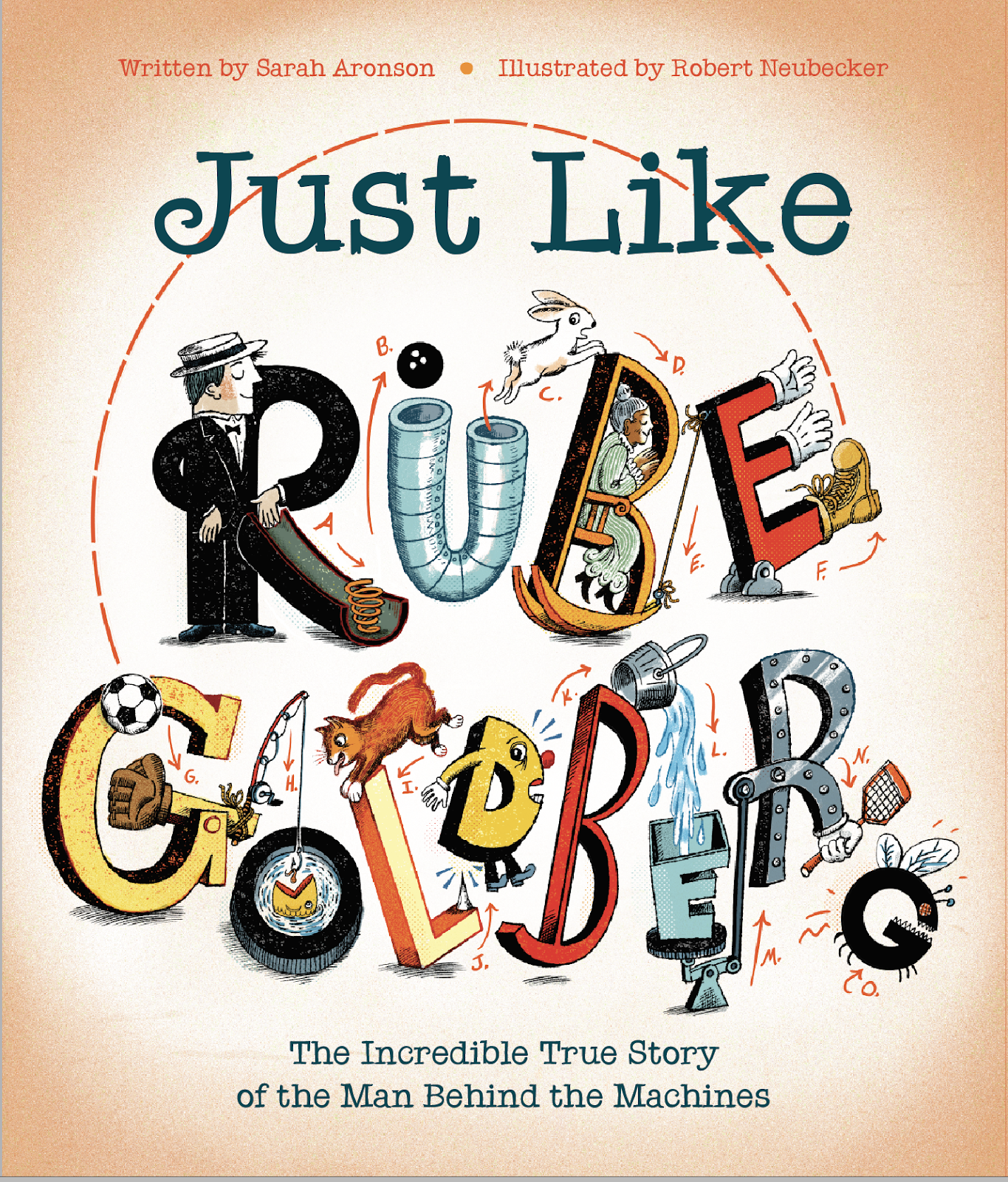
I was especially excited for the release of Sarah's awesome new picture book, JUST LIKE RUBE GOLDBERG, because, from a young age, my parents taught me about him, and his name became like Kleenex-for-tissue in our house, a two-word description for anything that was deliciously eccentric, complicated, or complex. Here's a brief description for the book!

Discover how Rube Goldberg followed his dreams to become an award-winning cartoonist, inventor, and even an adjective in the dictionary in this inspiring and funny biographical picture book.

See? An adjective!! Yes!! Just like he was in our house!!!

So, please check out this -- and her other books, order a copy for your classroom or kids, and ask your local library to order it in if they haven't already. A worthy title for any and all collections!! And now, without further ado, here's Sarah, who, I think, expands on the concept of finding the joy and play in our work as we go along we started talking about last week, and then shares FIVE awesome tips for picture book writing:

Hey there! My name is Sarah, and I like to write in multiple genres. 
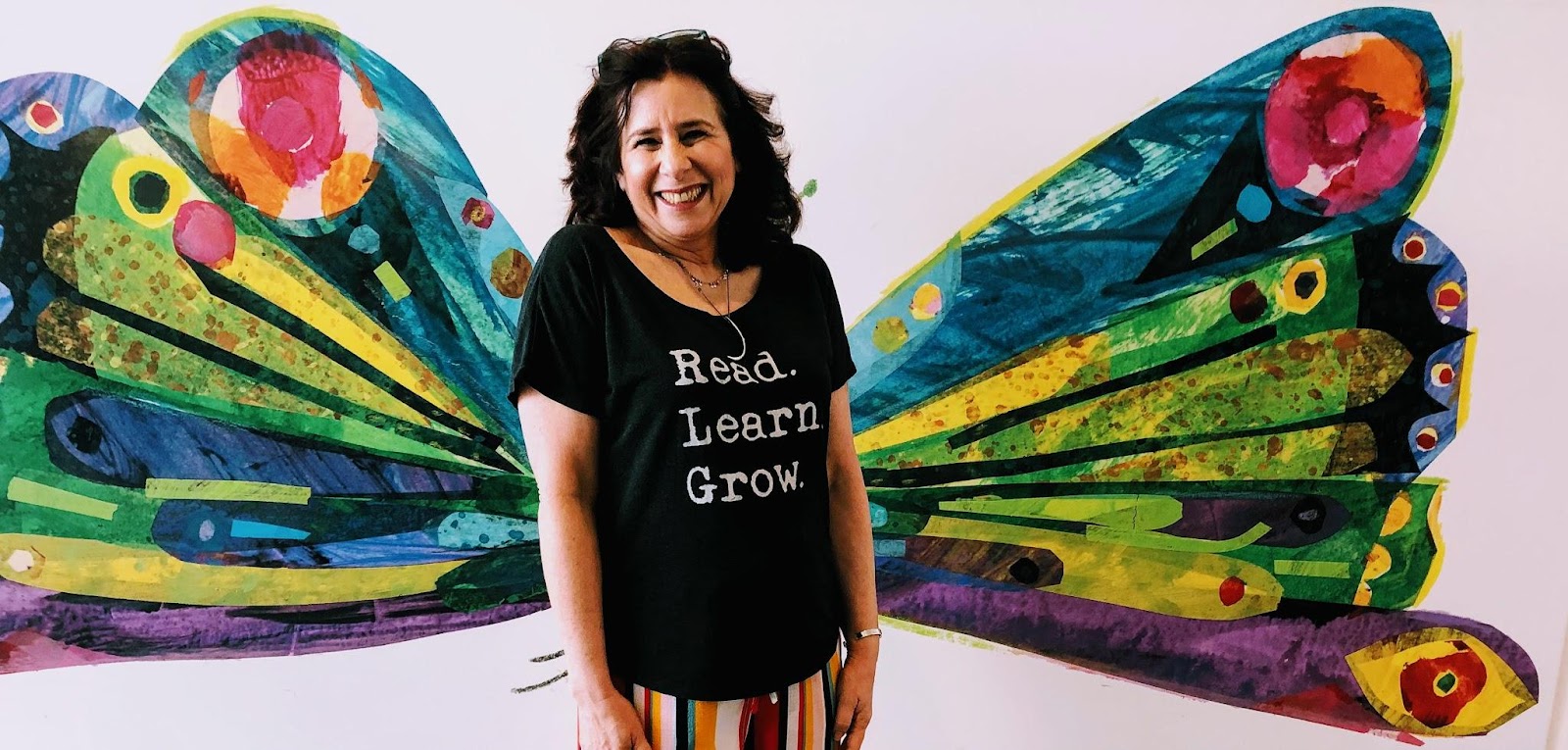


I didn’t think it was going to be this way. 

A couple of years ago, after two YA novels and a MG novel, I took the dramatic (at least to me) step to try and write the genres I didn’t think I was good at. I have talked about this decision a lot over the years. Mostly because it changed my career. And made me a happier writer. But at the time, I didn’t know what was going to happen. All I knew is that my third book sold poorly. My fourth book didn’t sell.

I was having less fun. 

I needed to get out of my own way. To learn to play. To be like David Bowie. To embrace the creative life all over again. To think less, write more. 

And did I say have more fun?
I really wanted to have more fun.

During the next six months, (and ever since) I totally indulged myself. And it worked. I wrote The Wish List Book One: The Worst Fairy Godmother Ever. 
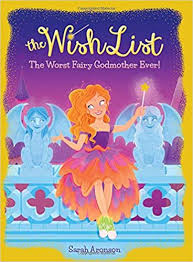


I started an adult novel (that I still have to finish). I wrote a bunch of picture books—some awful. Some didactic. Some pretty good. One of them came like a spark of inspiration. It became Just Like Rube Goldberg—which was published by Beach Lane Books with GORGEOUS illustrations by Robert Neubecker. 

The process of making that book taught me a lot. More than five things. But today, let’s talk about the top five things about writing picture books—even if you think you are a novel writer.

#1 
Let’s start with the thing everyone talks about when they talk about picture books: 

WORD COUNT!
Here is what I learned right off the bat: Short word count is not a demotion. It is a challenge to get to the heart of the story. To embrace THE FORM. 

A short word count helps create better pacing. 
(Don’t you hate it when you are ready to turn the page for a new illustration, but there are still more words to read???) Remember: picture books (like all books) are cinematic. But unlike novels, they are driven by and inhabited through the pictures. Although the words come first in the submission process, the words cannot interfere with the illustrations. 

When I saw Robert’s illustrations taking shape, I deleted words.

Now when I work on my picture books, whether fiction or true stories, I try to make them as short as possible. Because words you don’t need are…well…words you don’t need.

#2
YOU HAVE TO FEEL CONNECTED TO YOUR SUBJECT. 
Or in other words: you have to love what you are writing.
Or in other words: your heart must be in your story.

Just like Rube Goldberg is all about Rube. But it is also all about ME. It’s about my ideas about creativity—that are embraced by Rube’s. Every second of the process was FUN. Even when I was frustrated with my own limitations, I was enjoying playing with the words. 

If you are not having fun…
If writing is not feeling like ice cream…
If you are making decisions because of THE MARKET. Or BECAUSE SOMEONE TOLD YOU SOME RULE. Stop.

Start a new page.
Find your heart in the process.
(You will thank me later.)

#3
Writing a true story? BACK MATTER MATTERS. Back matter isn’t just a chance to show off how much research I did. Back matter marks the spot where curiosity met process. (Not for nothing, editors like to see that you did your work.) TRUE STORY: when I was researching Rube, I actually found ANOTHER STORY. But mostly, thinking about back matter made me think more about my reader. There was a lot more I could have shared. I created back matter and a bibliography knowing that my readers would be curious, too. I want them to keep learning after they are done reading, since the book couldn’t be about everything. 
Note: I will be on a panel talking about this at NCTE. Come say hi!

#4 
TAKE THE TIME TO MAKE THE DUMMY.
See your story on the page.
Draw bad drawings.
Read your book and turn the page. 
My first Rube Dummy showed me where I needed to show more.
The dummy I just made for my new secret project which I cannot announce yet (Shhhhhhhhhhhhh), showed me where I was overindulging and writing too many words that I did not need. When I cut those words, THE BOOK SOLD.


LAST and MOST IMPORTANT: 

#5
TRUST and CONFIDENCE are ESSENTIAL.

Just like any project, you have to trust yourself. 
You have to trust your reader friends.
You have to trust your agent.
You have to trust your editor. 
You have to trust your illustrator. 
It’s a lot of trust.
And I will admit: I am bossy. I had ideas for Rube. BUT NONE were as good as this:
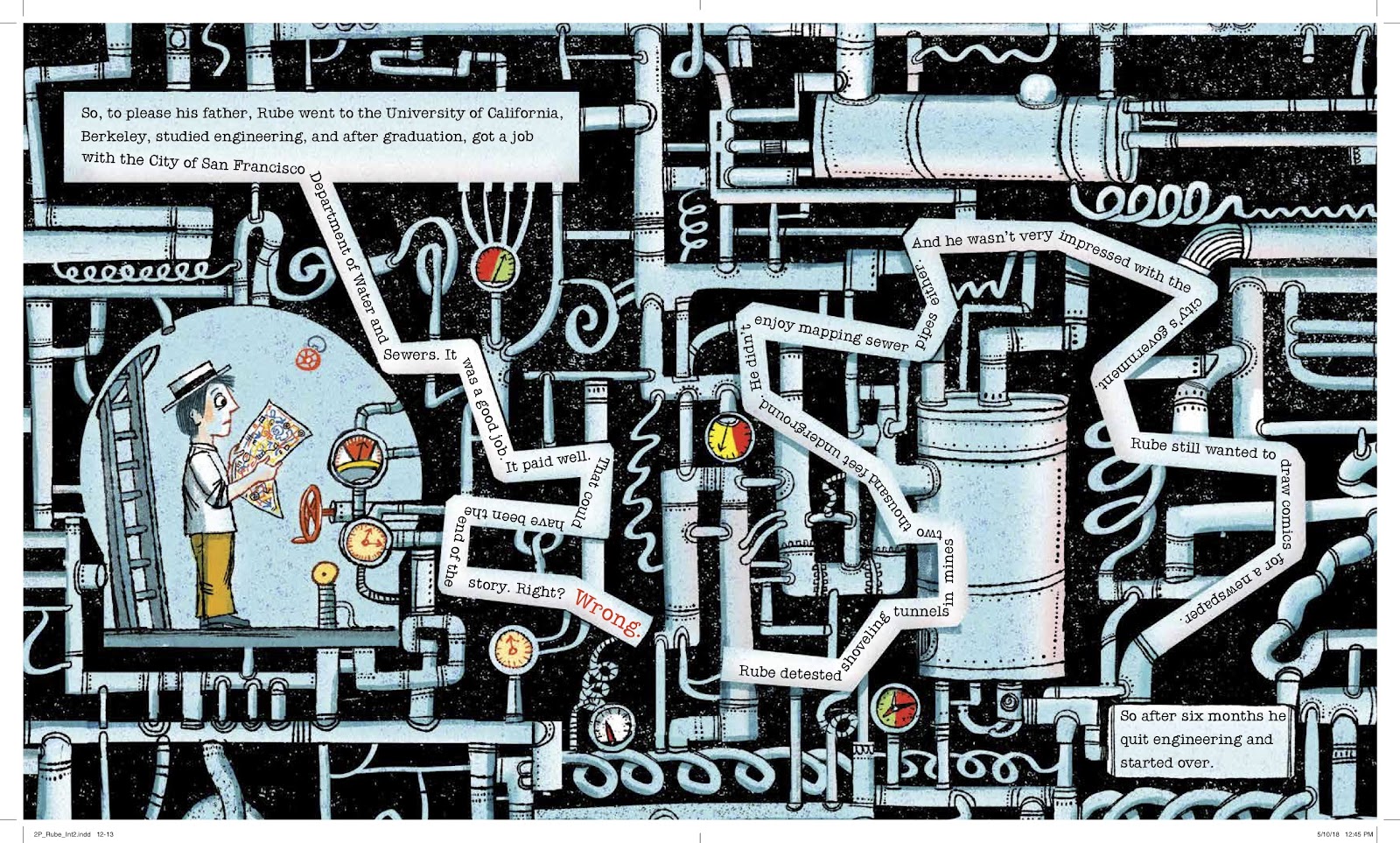


So that’s it.
Five things.
In less than 1000 words.

And, now, I guess it's my turn to put my words where my mouth is and offer up a brief excerpt for your feedback, inviting you to do the same in the comments!

If you've never participated in Friday Feedback, please first read THE RULES!!!

Here is a piece of a picture book WIP I am working on. I'm actually about to submit it. 


It's called As Easy as 1 2 3.

Who is the most exhibited artist in the world? 
Would you believe Picasso?
Or maybe Monet?
Or how about Dan Robbins?

Never heard of him? Pull up a chair.

Dan Robbins worked at Detroit’s Palmer Paint Company in early 1950. His Boss, Max Klein, could see the writing on the wall. For the first time, Americans had the time, inclination, and money to take up new hobbies—including art. 

He asked Dan to create a coloring book—to drum up sales of children’s paints.

But Dan had a better idea. 

He knew that the great master, Leonardo da Vinci, taught his apprentices to create fine art by giving them numbered patterns. 

Each number on the canvas corresponded to a unique pigment.

Like 1 for red.
And 2 for yellow.

Dan figured if it worked for Leonardo, it could work for America, too.

---

So that's it! Looking forward to your comments and your excerpts!!!

Sarah (& Gae)


Friday, July 14, 2017

Friday Feedback: Josh Funk & The Read Aloud Picture Book


Hey, all,

Just back from one of those totally inspiring few days spent in the nerdy world of #nErDcampMI, where I even hosted an impromptu session on Teachers Write! so we have a bunch of amazing new campers, and I hope they're peeking in here.

A few times over those days, I crossed paths with my friend, Josh Funk, who told me more than once how excited he is to be hosting Friday Feedback this week.

I'm excited too. Not only do I know I have many aspiring picture book writers here who like to participate, but his post is amazing and inspiring and informative! Since, I'm never the best one to give picture book advice -- hey, I'd still like to write my own one day but have no idea how! -- I'm super excited he agreed to guest host!

If you post non-picture book excerpts -- and of course feel free to! -- I will do my usual chiming in in the comments, but otherwise, I'm going to leave it all up to him! You couldn't be in better hands. (And if you're new here, and before you proceed, please take a moment to click this link to read the Friday Feedback RULES):

Photo Credit: Carter Hasegawa


So, without further ado, here is the awesome Josh Funk, author of LADY PANCAKE & SIR FRENCH TOAST, THE CASE OF THE STINKY STENCH, and wonderful forthcoming titles like IT'S NOT JACK AND THE BEANSTALK. Be sure to check them all out and order them in to your libraries and classrooms if you don't already have them (are you crazy?!)!  


See you in the comments. Here's Josh:


Hooray! It’s Friday of Week 1! 

I’m thrilled that Gae & Co. invited me to join in #TeachersWrite - and I’m so excited to be able to share a work in progress, for your feedback.

First, I’d like to say - WOW! I don’t know how you do it. You educators work 80-100 hour weeks … AND you write! I’m not a teacher, but I’m married to one - and I can emphatically (and empathetically) say that you have the hardest job there is (hopefully it’s also an emotionally and psychologically rewarding job, too).

But (oops - sorry) you don’t want to think about school. It’s summer! Let’s write!

Gae tells me there are many of you interested and working on picture books! Great! Before we start, I want to go over a few basics by defining what a picture book actually is. At its core, there are four components, as I see it. A picture book is:

1.     A Story
2.     With Illustrations
3.     For Children
4.     Meant to Be Read Aloud

Yes, there are exceptions to all of the above (concept books and poems might not have narrative, The Book with No Pictures, parodies for adults, and early readers). But I believe that for the most part, the above applies.

What I’d like to focus on today is #4 - A picture book is meant to be read aloud - and usually read out loud by an adult to a child. We, the parents, teachers, librarians, and all adult readers have to perform picture books in front of children.

I know not everyone is a born thespian, but the best picture books (in my opinion) make it very easy for the adult reader to play act. In fact, one of the exceptions above, BJ Novak’s The Book with No Pictures, does a great job of forcing the reader to perform.

So I decided to write my own book that forced the reader to really get into character. If you know me, you’ll know most of my picture books are in rhyme. But my first non-rhyming picture book is coming out this September - It’s Not Jack and the Beanstalk.


Yes, it’s a fractured fairy-tale, but not just a fractured fairy-tale - it’s a META-fractured-fairy-tale. Jack doesn’t want to do to what the reader says - and all the reader wants to do is tell the traditional story. So you, the adult reader, get to argue with characters in the book (and they argue back).

Here are a few samples pages to give you the picture (images courtesy of Two Lions, art by Edwardian Taylor):


Jack - Pages 14-15

Jack - Pages 20-21

The story evolved in script form, as my kids and I would read it out loud to friends and family members (the kids playing Jack and the Giant, while I played the storyteller). And while it wasn’t a motivating factor as I was writing the story, I do think it would make for a fun reader’s theater.

And. . . since it's Friday FEEDBACK, the writing sample I’m sharing today is from a follow-up manuscript called It’s Not Hansel and Gretel. The story is told by the same reader/narrator whose only goal is to tell the traditional story. I intend it to be the same format with colored speech bubbles for each of the characters. The section below starts on the third spread of the story:

Page 10-11
When the sky grew dark, Papa ran off.
Hansel: Gretel, I’m worried.
Gretel: Don’t fret, Hansel. I’m sure Papa will be right back with blankets and a bit of food. Our parents love us.
No! He’s not coming back!

Luckily, Hansel had left a trail of breadcrumbs leading back to home.
Hansel: Breadcrumbs? I didn’t bring any breadcrumbs.
Gretel: What kind of person saves breadcrumbs?
I … don’t really … know.
Hansel: It’s a time of great famine. If there are any breadcrumbs left, we eat them.
Okay! Forget the breadcrumbs!
Gretel: Now I’m hungry! Why’d you have to bring up breadcrumbs?!

Page 12-13
The next morning, Hansel and Gretel were still lost and alone. They spent all day searching for a way back home, but found nothi—
Gretel: Look! There's our house!
What?
Hansel: Yay! We found it!
No! You can't find it!
Gretel: Excuse me, but we've lived on the outskirts of these woods our whole lives. I think we know our way around.

Page 14-15
[inside the house]
Hansel: Mama? Papa? Where are you?
Gretel: Maybe Papa got lost on the way home to get blankets and food? He does have a terrible sense of direction.
Hansel: But where’s Mama?
Gretel: She’s probably out searching for us.
THEY’RE NOT SEARCHING FOR YOU!
Hansel [crying]: Waaa! Waa-aa-aa!
Gretel: Look what you did! You made Hansel cry!
I - I didn’t mean to do that.
Gretel: Don’t worry, Hansel. We can find Mama and Papa ourselves!
Hansel: *sniff* Okay.
Wait! You can’t leave without ME! I’m the one telling the story!

One side note - I normally don’t paginate my stories in early drafts. In fact, until recently I didn’t do much pagination at all, that was often left to the editor and art director. Lately, I feel that I have a better understanding of how pagination might work well with my texts (what and how much could/should be illustrated on any given page). If you don’t feel comfortable (as I certainly didn’t until I had gone through the process a half dozen times with editors) - I recommend not worrying about it. If you do feel confident about paginating your story before submission, it can sometimes be helpful - but it is certainly not required or expected.

Assuming this book will be the same length (40 pages) as It’s Not Jack and the Beanstalk, there will be 16 full spreads. For more information on lengths of books, see Debbie Ohi’s post explaining how 40 page self-ended picture books work.

So maybe as you write your next picture book manuscript, you might keep in mind the fact that this will be read aloud to a child by an adult - and see if that changes how your story evolves. 

And, now, since it's Friday Feedback, I’d love to hear your feedback on this portion of the It’s Not Hansel and Gretel manuscript, and look forward to any writing you might share for feedback in the comments! Thanks, in advance,

Josh

p.s. Again, for those of you who don't already know them, please first read THE RULES!!


-->
Find out more about Josh Funk at www.joshfunkbooks.com and even more on Twitter @joshfunkbooks.