
 |
So you want to join a critique group?
Often,
during the summers, as our #teacherswrite campers start really writing and developing story as
well as seeing the benefit of getting and sharing constructive feedback with
like-minded others, they start craving a critique group, and we here at
Teachers Write like to help you to do that if you so desire.
In the
past, we’ve had several of our campers find members of such critique groups
through Teachers Write and many of those groups are still going strong, and if you are one of them, we would LOVE you to chime in in the comments about how you found yours, what has worked for you so far, and what adjustments, if any, you've had to make, etc.
But first, in order
to help you if you've never been in one, let’s talk about how critique groups work, and then we invite you all in the
comments to make any potential connections you might want to pursue.
What they are and how they work:
(Please
note: The rest of the following information is taken, in large part, verbatim from KateMessner’s Teachers Write! blog post from last year unless in pink font, in
which case it is me, chiming in!
To see Kate’s full post in its entirety, please click on THIS LINK):

To see Kate’s full post in its entirety, please click on THIS LINK):
"A
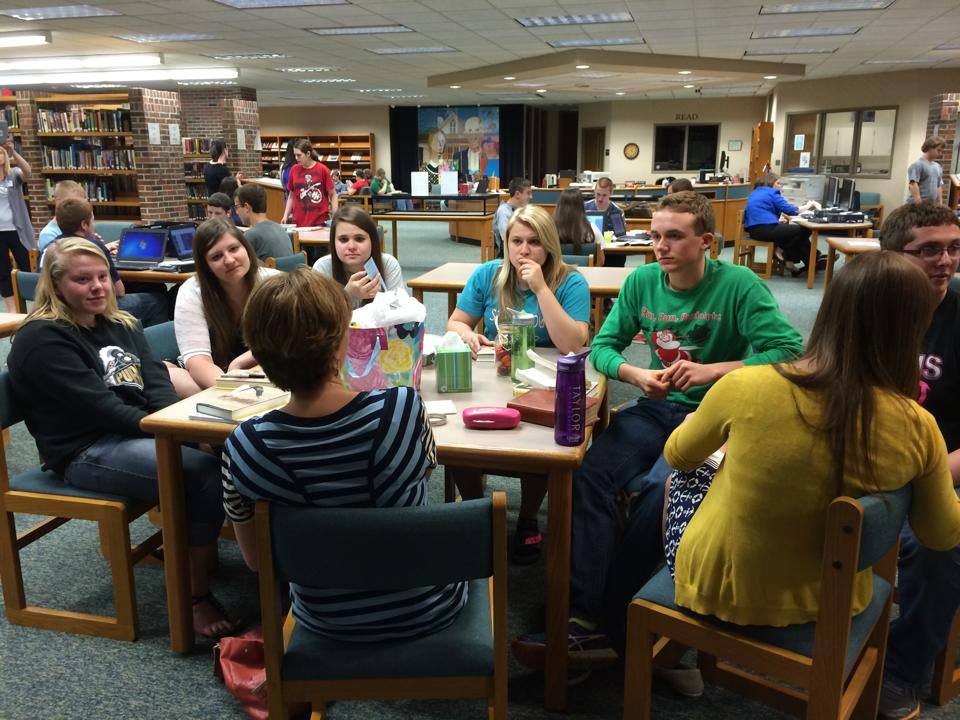
critique group is a small group of people (usually 2-6) who write and agree to
read one another’s work from time to time and provide feedback with the purpose
of helping one another improve. Critique groups can happen in person — if you
live close to some other writers, you might agree to meet once a month at the
local coffee shop for this — or online, in which case you’d exchange pages of
writing via email or set up a system with folders in Yahoo Groups or something
similar.
Critique
groups can be made up of people who are at about the same level (beginners,
folks revising first novels, etc.), people who write the same genre (YA, MG,
picture books, nonfiction, etc.) or people who write different kinds of work
but have an appreciation for what the others write, too." Perhaps, as
you’ve been sharing feedback and other notes in the comments these past weeks,
you feel yourself gravitating toward a particular person whose writing
continually moves you or who you feel you share common writing goals with. Each
time their name pops up you feel happy or excited to “see” them and wish you
could write with them in real life. That could be just the critique partner for
you! This is the time to reach out to them, if you haven’t done so already.
"Sometimes,
critique groups operate on a schedule (each week, writers take turns sending
maybe five pages for critique by the others) and sometimes they’re more
informal (people share work when it’s done or when they need feedback, and
others critique as they can. This is more common with experienced writers, I
think, who tend to have deadlines and less predictable schedules.)
"Sometimes,
it takes a while to find the right critique group. People sometimes post about
forming new critique groups or about openings in established ones at the SCBWI site
or on Verla Kay’s discussion boards for children’s writers.
Sometimes, you express interest in this, and someone else has filled the spot
already or seems to be a better fit for that particular group. Do not take
this personally or read anything into it at all. It happens. It happened to
me numerous times when I was looking for a critique group, and if it happens to
you, it doesn’t mean that you’re not a good writer or a nice person or anything
else. It only means that your “just-right” critique group is still out
there. And sometimes, people join a critique group and then realize it’s
not a good fit, so they drift away. All of this is part of the process, and
it’s okay.
"I’ve been
in a bunch of critique groups over the years, all full of great people and talented
writers. Some have been better fits than others. . .
"A few
summers ago, I wrote a pretty detailed piece on how to critique a friend’swriting for the Stenhouse Summer Blogstitute. It uses one of my editor’s
revision letters as a mentor text for how to critique someone’s writing in a
way that’s constructive and rigorous without making that person feel sad or
frustrated or so angry they want to shove their crummy manuscript up your
nose. You should read that here."
Feedback is an art, not a science. . . and rarely perfect.
Also,
remember that feedback, whether mine on Friday Feedback or elsewhere, or your
critique partners’ in a group, is rarely perfect. As for shortfalls to look out
for with critique groups, this recent piece by Jane Friedman can be useful.
And
remember, we all have our own voices and styles and just because something is
working – or not working – for one person, doesn’t mean it should (or doesn’t
need to) be changed. One of my own personal rules of thumb for receiving
feedback is this (and remember, this presumes that whoever is critiquing for me
is already someone whose opinion I appreciate and want and whose
voice/style/writing or writing acumen I admire):
- · If one person takes issue with something, it is food for thought;
- · If two or more persons take issue with the same thing, it is something I should definitely go back and reread and see if I need to rewrap my head around it and/or rewrite.
(Unless of course the one person is my agent or editor, in which event I will always rewrap my head around it, even if I don't ultimately change it.)
Ask for what you need:
On the latter note -- and this is just ME, but raises another point – if a critiquer believes something isn’t working, I prefer that information alone, rather than the
critiquer telling me how THEY think I should fix it, unless I specifically ask for that. I often find it makes me anxious and overwhelmed when
critiquers start telling me how they would write my book vs. just sharing with
me that a particular scene or storyline isn’t working and letting me grapple
with the how of it for a while on my own.
When you are in a critique group, you
should each make clear what information you are looking for and how you best
work with constructive criticism. Also, be as clear as possible what information
you are seeking from the critiquer from the broad, “Does this story hold your
interest?” to more specific questions about character or scene. Don’t expect
your critiquers to know exactly what type of feedback you are hoping for unless
you tell them first!
And if
you are the one critiquing, please, please, please don’t forget to share
something positive you love about their writing/story FIRST!

My friend Carole Estby Dagg, author of wonderful historical middle grade novels including THE YEAR WE WERE FAMOUS and the forthcoming SWEET HOME ALASKA, who has hosted a fabulous post on strong beginnings on Friday Feedback in the past, and I were chatting about critique groups and she offers this very helpful suggestion:
I believe if we asked ten other writers, some of the most common refrains would be: be specific, set some group ground rules, and let others know what type of feedback you need!

My friend Carole Estby Dagg, author of wonderful historical middle grade novels including THE YEAR WE WERE FAMOUS and the forthcoming SWEET HOME ALASKA, who has hosted a fabulous post on strong beginnings on Friday Feedback in the past, and I were chatting about critique groups and she offers this very helpful suggestion:
 |
| Click on the photo to open it larger on your screen. |
I believe if we asked ten other writers, some of the most common refrains would be: be specific, set some group ground rules, and let others know what type of feedback you need!
Okay? Ready, Set, Go!
So, if you’d
like to start a critique group where you live, or an online group, leave a
comment here with the following information:
• Your name
• Where you are in your writing life:
(beginner, long-time poet, working on 1st novel, agented nonfiction writer,
etc.)
• What you’re working on now or what
you most want to write: (YA fantasy, MG mystery, picture book biographies,
professional books, poetry, etc. Or you can say not sure – a little of
everything.)
• Where you live if you’re hoping for
an in-person group, or just “Online” if you think connected via email will work
out better. Or share both if you’re open to either of those.
If you’re
intrigued by all this, but you’re not the kind of person who likes to start
things, then you can just hang out and see if anyone posts a request for
critique partners in your city, or if anyone who shares your passion for memoir
is looking to form a group. If you see a comment from someone you’d like to
chat with about forming a group, then reply to it and figure out how you’d like
to continue the conversation from here forward (email, Facebook, etc.) to work
out details.
Then I’d
suggest you arrange to swap just a few pages of something for a sample
critique, so that you can see how it works out and figure out if you’re
compatible in this way.
Please don’t get stressed about this,
okay? If no one
answers your request right way, it doesn’t mean you’re a bad writer or that you
smell like onions or anything else. We take things so personally as writers, don't we?! But
sometimes it’s as simple as the fact that someone else is too intimidated, or
simply missed your particular comment/request. If you don’t get any response
here in the comments of this blog post, I’m also going to start a facebook
thread and a twitter conversation under the hashtags #teacherswrite
#critiquegroup
And
remember: Critique groups have fits and starts, growing pains, and bumps in the
road, so it may take a few tries before you connect with someone who is the
right match. It’s worth it, though. You’ll get great feedback on your
writing, you’ll learn a lot from critiquing your partners’ writing, and
you’ll come away with some ideas that you can share in the classroom or library
with kids who are trying to help one another improve their writing, too.
Ready to
round up some critique partners? Fire away in the comments!
Kate & Gae


